
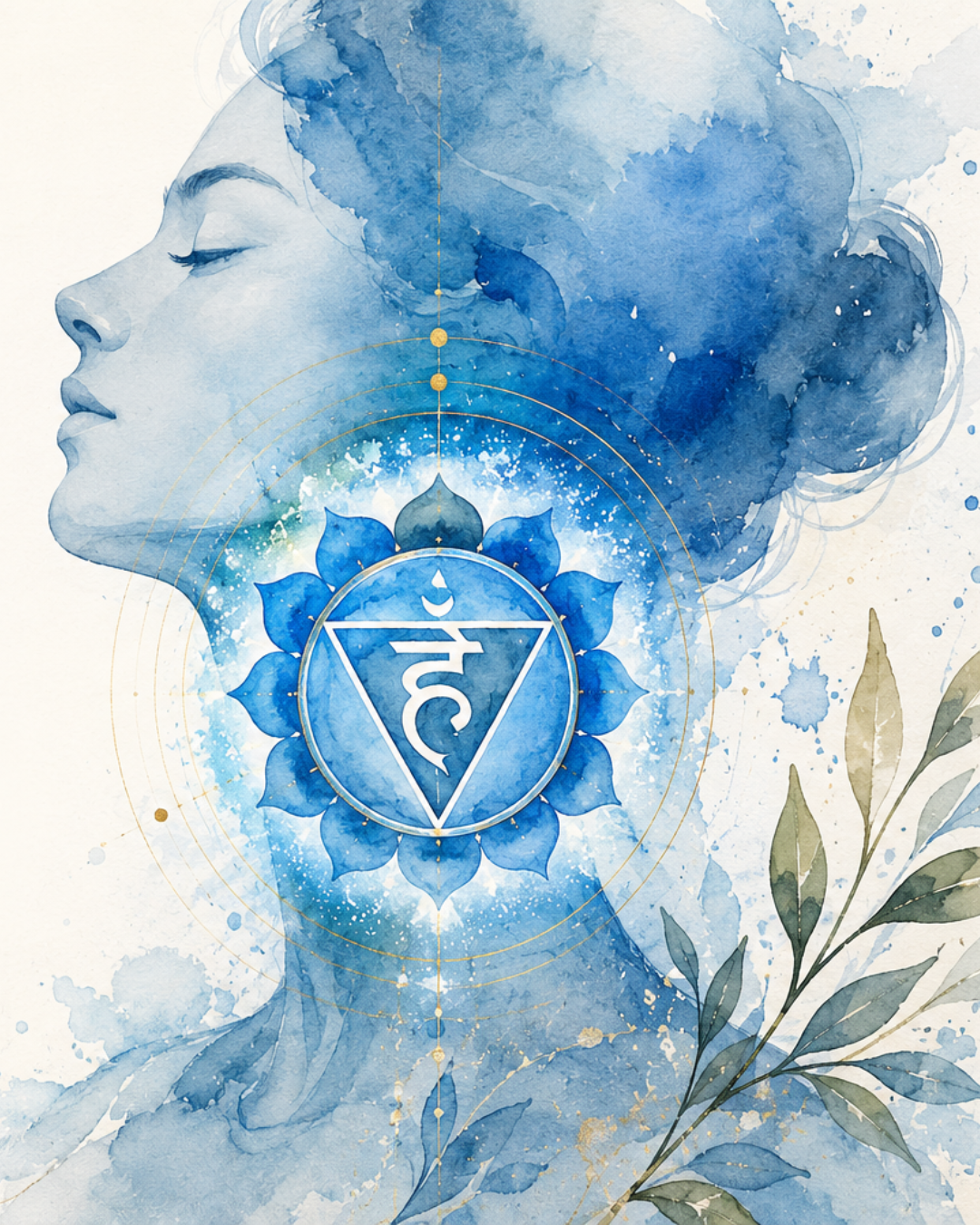
Throat Chakra: Unlock Your Authentic Voice Naturally
“The strongest voices aren’t always the loudest. They’re the ones that speak from truth.”
There are moments when words come effortlessly.
You know exactly what to say.
You feel heard.
You communicate with confidence.
Then there are seasons when every conversation feels difficult.
You replay sentences long after you’ve spoken them.
You stay silent to avoid conflict.
You struggle to ask for what you need.
These experiences aren’t simply communication problems.
In yogic philosophy, they may reflect the energy of the throat chakra, known in Sanskrit as Vishuddha, the centre of authentic expression, truthful communication, and deep listening.
At Anaya, we believe healing begins not when we speak more but when we learn to speak honestly with ourselves first.
This guide explores the wisdom of the Throat Chakra, the science behind communication and stress, and practical yoga techniques to help you reconnect with your authentic voice.
What Is the Throat Chakra?
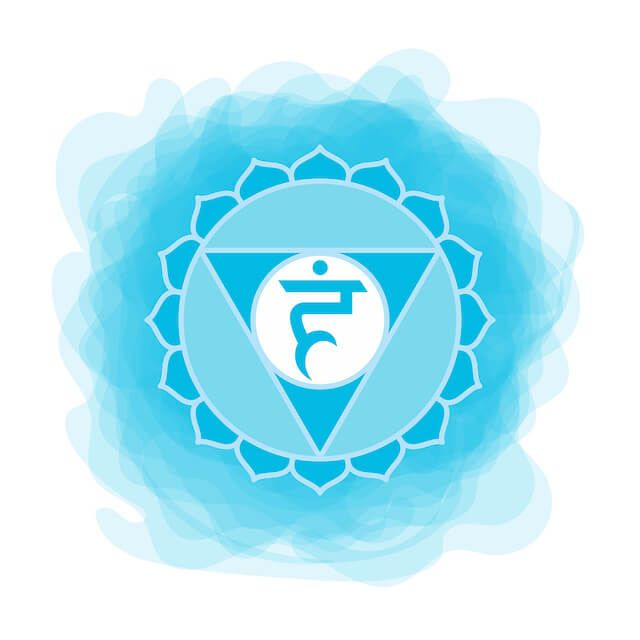
The Throat Chakra, or Vishuddha, is the fifth of the seven primary chakras.
It is traditionally located at the throat and neck and is associated with:
- Honest communication
- Self-expression
- Creativity
- Listening
- Truth
- Authenticity
The Sanskrit word “Vishuddha” translates to “especially pure”.
Rather than encouraging constant speaking, this chakra invites us to communicate with clarity, kindness, and integrity.
When balanced, our words align with our values.
Quick Facts About the Throat Chakra
| Attribute | Description |
|---|---|
| Sanskrit Name | Vishuddha |
| Location | Throat |
| Element | Ether (Space) |
| Color | Sky Blue |
| Mantra | HAM |
| Associated Qualities | Truth, Communication, Authenticity |
Why Communication Is More Than Words
Modern neuroscience shows that stress changes how we communicate.
When the nervous system perceives danger, we may
- Stay silent
- Avoid difficult conversations
- Become defensive
- Speak impulsively
- Struggle to find the right words
Yoga helps regulate the nervous system through movement, breath, and mindfulness, creating the internal safety needed for authentic expression.
In this way, balancing the throat chakra is not about becoming louder.
It’s about becoming more aligned.
Signs Your Throat Chakra May Be Out of Balance
Physical Signs
- Neck tension
- Jaw tightness
- Sore throat
- Teeth grinding
- Voice fatigue
Emotional Signs
- Fear of speaking
- Difficulty saying “no”
- Feeling misunderstood
- People pleasing
- Suppressing emotions
Overactive Energy
- Talking excessively
- Interrupting others
- Dominating conversations
- Speaking without reflection
Why We Lose Our Voice

Many people don’t lose their voice because they have nothing to say.
They lose it because they’ve spent years believing they shouldn’t say it.
Perhaps they learnt:
- Don’t cry.
- Don’t argue.
- Don’t disappoint others.
- Stay quiet.
- Be agreeable.
Yoga gently asks a different question:
What would happen if you trusted your own voice?
Yoga Poses That Support the Throat Chakra

1. Plow Pose (Halasana)
Why it helps:
- Creates gentle compression around the throat region
- Encourages inward awareness
- Helps calm an overstimulated mind
2. Shoulderstand (Sarvangasana)
Benefits:
- Traditionally associated with Vishuddha Chakra
- Supports circulation around the neck and throat
- Builds focus and mental clarity
3. Karnapidasana (Ear Pressure Pose)
Benefits:
- Encourages deep listening
- Helps withdraw attention from external distractions
- Supports introspection and mindfulness
4. Seal Pose
Benefits:
- Opens the chest and throat
- Improves posture
- Encourages deeper breathing patterns
5. Dolphin Pose
Benefits:
- Strengthens shoulders and upper body
- Releases neck tension
- Improves alignment and posture
6. Revolved Head-to-Knee Pose (Parivrtta Janu Sirsasana)
Benefits:
- Opens the side body
- Creates space through the neck and shoulders
- Improves breath awareness
7. Standing Cactus Arms Flow
Benefits:
- Counteracts desk posture
- Opens the chest and collarbones
- Encourages confident body language
Breathwork for Authentic Communication
One of the simplest ways to calm the nervous system before an important conversation is intentional breathing.
Try this practice:
Equal Breathing
- Inhale 4 counts
- Exhale 4 counts
Continue for five minutes.
Notice how your voice naturally softens.
Meditation for the Throat Chakra
Sit comfortably.
Bring awareness to your throat.
Imagine a soft blue light expanding with every inhale.
Silently repeat:
“I express myself honestly.
My voice matters.
I speak with kindness.
I listen with compassion.”
Stay here for five minutes.
Foods Traditionally Associated With the Throat Chakra

While no specific food can “heal” a chakra, many yoga traditions associate blue and hydrating foods with the Throat Chakra.
Examples include:
- Blueberries
- Herbal teas
- Pears
- Coconut water
- Warm lemon water
- Honey (in moderation)
Hydration also supports vocal comfort and overall wellbeing.
Daily Practices to Strengthen Your Voice
Instead of waiting until confidence appears, create small daily rituals.
✔ Journal one honest thought.
✔ Practice saying “no” kindly.
✔ Read aloud for five minutes.
✔ Listen without interrupting.
✔ Sing your favourite song.
✔ Spend five minutes in silence.
Gentle Affirmations
Repeat slowly:
My voice deserves to be heard.
I speak with confidence.
I communicate honestly.
I trust my truth.
My words create connection.
Common Myths About the Throat Chakra
Myth 1
You have to speak constantly.
Truth:
Balanced communication includes listening.
Myth 2
Confidence means never feeling nervous.
Truth:
Authenticity often begins alongside vulnerability.
Myth 3
Healing happens overnight.
Truth:
Like yoga, communication becomes stronger through consistent practice.
Bringing the Wisdom Off the Mat
A balanced Throat Chakra isn’t measured by how much you speak.
It’s reflected in everyday moments:
- Asking for help.
- Saying “I don’t know.”
- Setting healthy boundaries.
- Offering a sincere apology.
- Sharing gratitude.
- Speaking your truth with compassion.
These are quiet acts of courage.
And courage, practised daily, becomes confidence.
Your voice was never meant to sound like anyone else’s.
The world doesn’t need a perfect version of you; it needs the authentic one.
Through mindful movement, intentional breath, and compassionate self-awareness, yoga offers a path back to your own truth.
At ANAYA, we believe every practice begins with listening.
Because when you truly hear yourself, the world has the chance to hear you too.
Key Takeaways
✓ Stress can impact how we communicate by dysregulating the nervous system.
✓ The throat chakra supports communication, honesty, and self-expression.
✓ Yoga poses such as Plough Pose (Halasana), Shoulderstand (Sarvangasana), Karnapidasana, Seal Pose, Dolphin Pose, Revolved Head-to-Knee Pose, and Standing Cactus Arms Flow can encourage openness through the chest and neck.
✓ Breathwork and meditation help create the inner calm needed for authentic expression.
✓ Small, consistent practices often create lasting confidence.
FAQ
What is the Throat Chakra?
The Throat Chakra, or Vishuddha, is the fifth energy centre in yogic philosophy and is associated with communication, authenticity, truth, and self-expression.
Which yoga poses help balance the Throat Chakra?
Fish Pose, Camel Pose, Supported Bridge Pose, Cat-Cow, and gentle neck stretches are commonly practised to encourage openness around the throat and chest.
What are signs of a blocked Throat Chakra?
Common signs may include difficulty expressing yourself, fear of speaking, people-pleasing, jaw tension, neck stiffness, or feeling misunderstood.
What colour is the Throat Chakra?
The Throat Chakra is traditionally associated with the colour sky blue, symbolising clarity, openness, and communication.
Can breathwork support the Throat Chakra?
Yes. Calm, rhythmic breathing practices such as Equal Breathing can help regulate the nervous system, making it easier to communicate with clarity and confidence.