
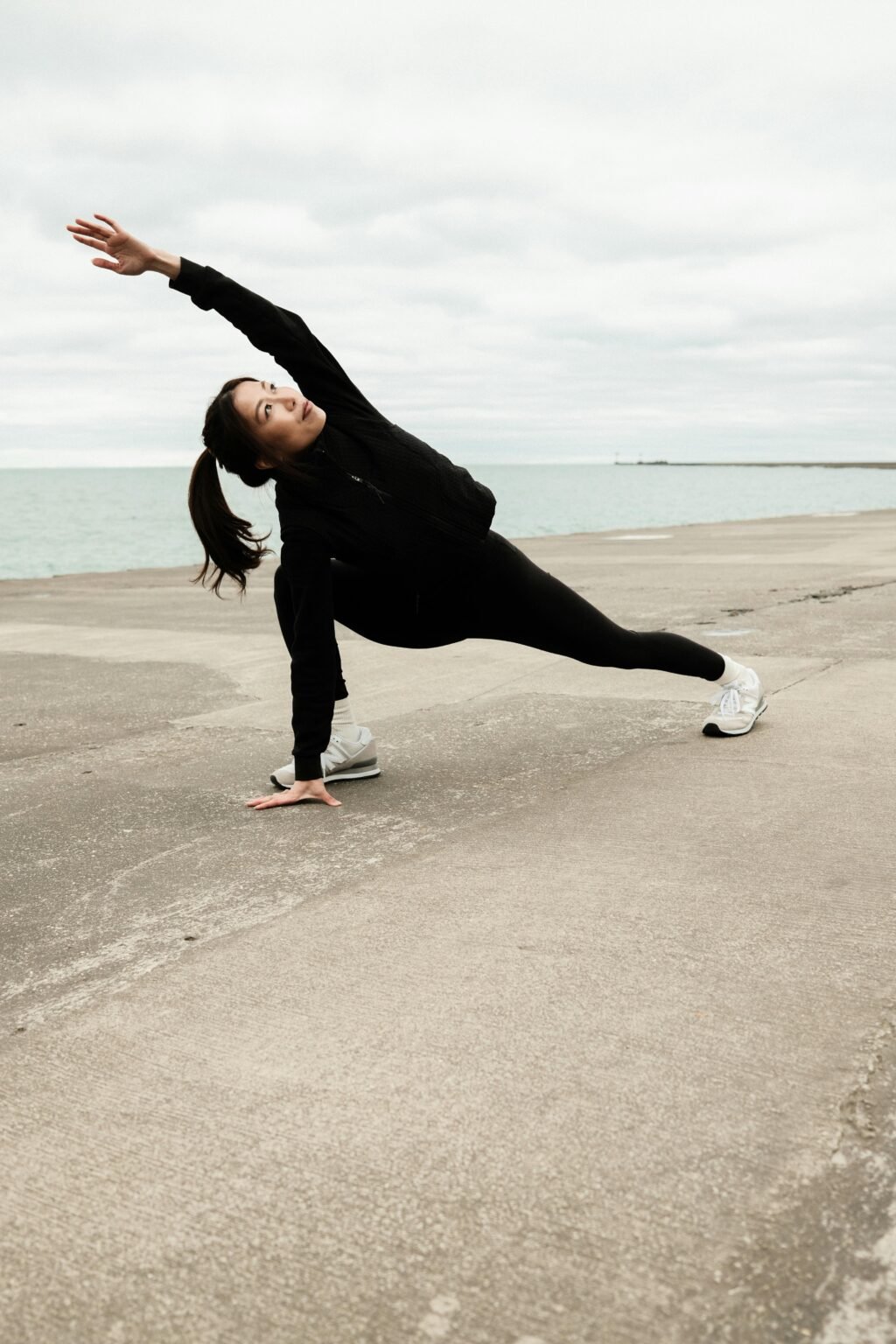
Yoga is often introduced through beautiful images.
Deep backbends.
Perfect splits.
Seamless transitions.
But here is something slightly bold and deeply true:
Most beginners are not injured by yoga.
They are injured by misunderstanding yoga.
At ANAYA – Self Serenity, we teach sustainable yoga rooted in traditional wisdom and modern alignment science. Let us gently correct what needs correcting.
1. Mistake: Chasing Flexibility Instead of Stability
One of the most common beginner yoga mistakes is believing flexibility is the goal.
In the classical text, the Yoga Sutras of Patanjali, Sutra 2.46 states:
“Sthira Sukham Asanam.”
Posture should be steady and comfortable.
Not extreme.
Not impressive.
When beginners push for depth:
- Joints destabilize
- Ligaments overstretch
- Breathing becomes shallow
Correction:
Focus on stacking joints.
Engage muscles before deepening.
Root before you rise.
Flexibility is a side effect of safety.
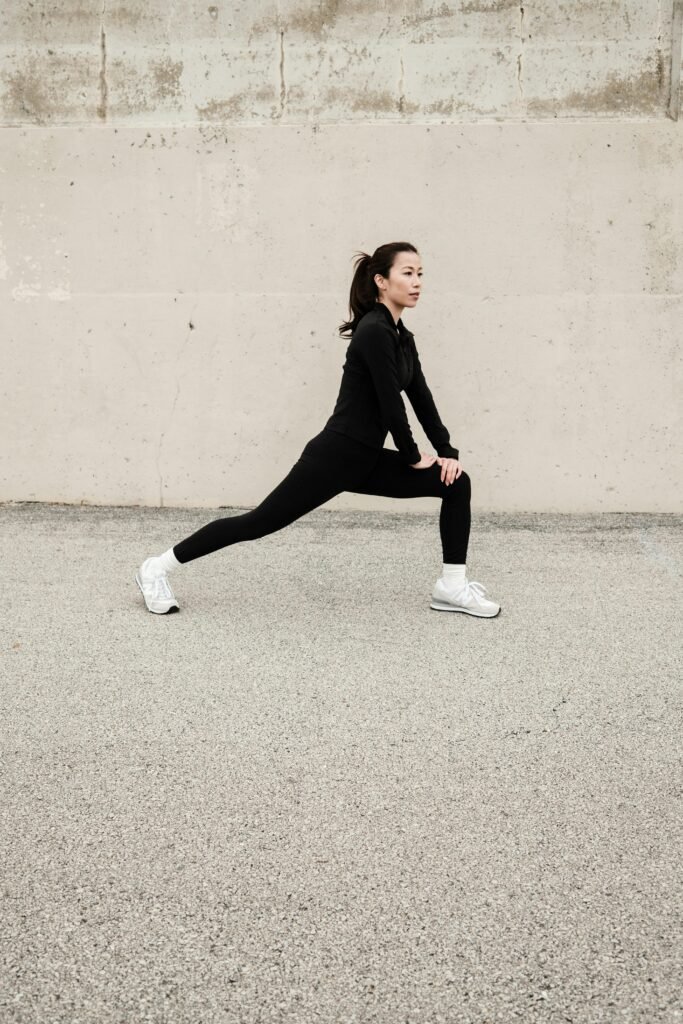
2. Mistake: Holding the Breath
Breath is not decoration in yoga.
It is the bridge between body and nervous system.
When beginners concentrate on “getting the pose right,” they often hold their breath.
This activates the stress response.
Research from Harvard Health confirms that slow diaphragmatic breathing activates the parasympathetic nervous system, promoting relaxation and reducing stress.
Correction:
If you cannot breathe steadily, you are too deep in the pose.
Ease back.
Lengthen the spine.
Return to rhythm.
3. Mistake: Locking the Joints.
Hyperextending elbows or knees is extremely common in beginners.
It feels stable.
But it collapses muscular engagement.
Instead of strength, the joint absorbs pressure.
Correction:
Micro-bend knees in standing poses.
Engage quadriceps.
Lift through the crown of the head.
Alignment creates longevity.
4. Mistake: Comparing Yourself to Others.
Modern yoga culture encourages comparison.
Traditional yoga encourages inward awareness.
The Hatha Yoga Pradipika emphasizes discipline, breath control, and energy regulation, not performance.
Yoga was designed as preparation for meditation.
Correction:
Close your eyes occasionally.
Shift attention inward.
Ask:
Can I stay steady?
Can I stay kind to my body?
5. Mistake: Ignoring Pain Signals
Discomfort and pain are not the same.
Sharp joint pain is not growth.
The American Academy of Orthopaedic Surgeons notes that joint pain during exercise is often a sign of improper alignment or overuse.
Correction:
Distinguish between:
Muscular sensation (safe)
Joint compression (not safe)
When in doubt:
Come out.
6. Mistake: Skipping Foundational Alignment Cues
Beginners often rush through:
- Foot placement
- Shoulder stacking
- Core engagement
But small misalignments repeated over time lead to injury.
Correction:
In every pose, ask:
Where is my weight distributed?
Are my joints stacked?
Can I breathe fully?
Alignment is awareness in physical form.
The Deeper Truth
Yoga is not about becoming more flexible.
It is about becoming more integrated.
When posture is stable:
Breath deepens.
The nervous system softens.
The mind steadies.
This is why traditional yoga emphasized steadiness before expansion.
At ANAYA, we believe:
Your mat does not demand perfection.
It asks for presence.