
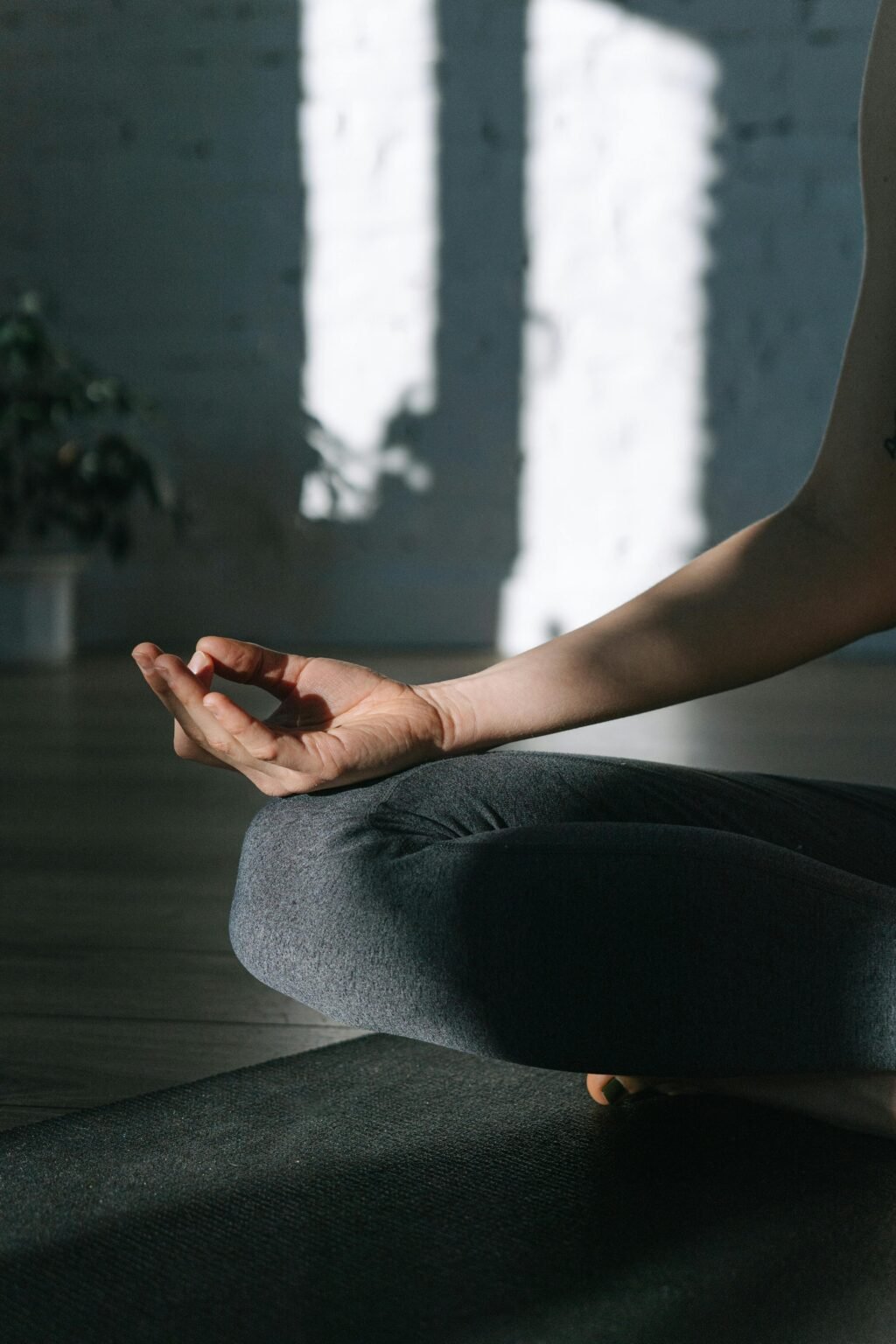
You don’t need to be flexible, you don’t need fancy clothes, and you don’t need to “know” yoga. You just need a body, a breath, and the willingness to begin with exactly where you are. If you’ve ever thought, “I want to start yoga, but I feel completely new and out of place,” this blog is for you.
Not the Instagram-perfect version of yoga but the real, grounded, human beginning.
First, Let’s Redefine What “Being New to Yoga” Actually Means
Being new doesn’t mean you’re behind.
It means you’re at the most powerful point of the journey: the beginning.
Yoga was never meant to be exclusive, intimidating, or performance-based. Traditionally, yoga is a practice of awareness, not achievement.
According to the Yoga Sutras of Patanjali, yoga is defined as:
“Yogas chitta vritti nirodhah” – Yoga is the quieting of the mind’s fluctuations.
— Maharshi Patanjali.
No flexibility requirement.
No age limit.
No “yoga body.
Step 1:
Start With the Right Mindset (This Matters More Than Any Pose)
Before you roll out a mat, begin here:
Let go of these myths:
“I’m not flexible enough.”
“Everyone else knows more than me.”
“I need to be fit first.”
Yoga is not a workout you prepare for-it’s a practice that prepares you for life.
The first yogic principle, Ahimsa (non-violence), starts with how you treat yourself.
Step 2:
Choose the Right Style of Yoga for Beginners
Not all yoga is the same – and starting with the wrong style can feel overwhelming.
Beginner-friendly styles:
Hatha Yoga –slow, foundational, posture-by-posture
Gentle Yoga –supportive and restorative
Beginner Ashtanga (Modified) –structured, grounding, repeatable
⚠️ Styles to approach later:
- Power Yoga
- Advanced Vinyasa
- Hot Yoga (initially)
Step 3:
Create a Simple, No-Pressure Home Practice
You don’t need a studio to begin. You need consistency over complexity.
Start with:
10–20 minutes
3–4 days a week
The same simple sequence for 2 weeks
Your beginner essentials:
A yoga mat (or towel on the floor)
Comfortable clothing
A quiet corner
Your breath
Showing up imperfectly beats waiting for the “perfect time.”
Step 4:
Learn the Foundations (These Are Non-Negotiable)
Instead of chasing advanced poses, focus on foundations:
Key beginner poses:
Mountain Pose (Tadasana)
Child’s Pose (Balasana)
Cat–Cow (Marjaryasana–Bitilasana)
Downward Dog (Adho Mukha Svanasana)
Seated Forward Fold (Paschimottanasana)
Learn how to:
- Breathe through the nose
- Move with the breath
- Rest when needed
Step 5:
Respect Your Body (Yoga Is Not About Pushing)
Pain is not progress in yoga.
Yoga teaches Svadhyaya – self study and awareness.
If something doesn’t feel right, pause. Modify. Rest.
Beginner truth:
Shaking is okay
Falling out of poses is normal
Resting is part of practice
Step 6:
Build a Sustainable Routine (Not a Short-Term Habit)
The goal is not motivation – it’s ritual.
Try this rhythm:
Same time of day,
Same short sequence,
Same calm intention,
Yoga becomes powerful when it’s woven into daily life, not forced into it.
Even 10 minutes of mindful movement can change your nervous system.
Step 7:
You Are Doing Yoga the Moment You Begin
You don’t “become” a yogi someday.
You are one the moment you step onto the path.
Yoga meets you exactly where you are: stiff, tired, unsure, curious, hopeful.
And that is more than enough.
If you’re ready to begin with softness, safety, and guidance, we’re here to support you.
Beginner Yoga Programs
Foundational Ashtanga Classes.
Foundational Ashtanga Classes.
Final Thought
Yoga doesn’t ask you to change who you are.
It asks you to meet yourself honestly and kindly.
And that’s where everything begins. 🌿